Museums & collections
Museums and collections stand at the crossroads of culture, history, and public engagement. They serve as guardians of humanity’s creative legacy while simultaneously making art accessible to diverse audiences. Yet behind every gallery wall and display case lies a complex ecosystem of ethical decisions, technical challenges, and strategic choices that shape how we experience cultural objects.
Whether you’re a curious visitor seeking to deepen your museum experiences, an emerging collector navigating the art world, or simply someone interested in how cultural institutions operate, understanding the mechanics of museums and collections reveals a fascinating landscape. From conservation laboratories to exhibition floors, from commercial galleries to public institutions, this world encompasses preservation science, curatorial philosophy, market dynamics, and visitor psychology.
This comprehensive exploration examines the fundamental aspects that define museums and collections today: the ethical and technical dimensions of preservation, the business models that sustain cultural spaces, the artistry behind exhibition design, strategies for meaningful engagement, and the mechanisms that establish and protect authenticity.
Conservation and Repatriation: Balancing Preservation with Ethics
Conservation forms the invisible foundation of every museum collection. While visitors see finished displays, conservators work tirelessly behind the scenes to slow the inevitable deterioration that affects all physical objects. This field combines chemistry, art history, and materials science to address challenges ranging from fading pigments to structural instability.
The Technical Realities of Preservation
Every material—whether oil paint, ancient textile, or bronze sculpture—degrades differently. Conservators must understand how temperature fluctuations, humidity levels, and light exposure affect specific objects. A medieval manuscript requires dramatically different conditions than a contemporary video installation. The technical challenge lies in creating environments that minimize deterioration while allowing public access.
Storage presents its own complexities. Most museums display only 5-10% of their collections at any given time, with the remainder in climate-controlled storage. Optimizing this “overflow” requires sophisticated inventory systems, strategic space management, and difficult decisions about what deserves prime real estate in limited facilities.
Digital Preservation as a Complementary Strategy
Digital technologies offer new preservation possibilities. High-resolution photography, 3D scanning, and virtual reality create permanent records that can outlast physical objects. However, digital preservation introduces its own challenges: file format obsolescence, data migration, and the paradox that digital storage requires continuous maintenance and updating, unlike a painting that can survive centuries with minimal intervention.
The Ethical Dimensions of Ownership and Return
Perhaps no museum issue generates more debate than repatriation. Objects acquired during colonial periods, wartime, or through questionable transactions raise fundamental questions: Who has the right to own cultural heritage? The concept of “Universal Museums” argues that major institutions serve humanity by making diverse cultures accessible in single locations. Critics counter that this justifies historical injustices and denies communities their patrimony.
These debates involve practical complications: proving provenance, ensuring adequate preservation conditions in receiving institutions, and navigating complex international laws. Yet they also represent a necessary reckoning with how museums were built and who they ultimately serve.
Understanding Art Galleries: From Business Models to Visitor Experience
While museums typically operate as non-profit institutions, commercial galleries form the market backbone that supports living artists and circulates artworks. Understanding gallery operations demystifies what can feel like an exclusive world.
Primary and Secondary Markets Explained
The primary market involves works sold for the first time, directly from artists or their representing galleries. Here, galleries typically take 40-50% commission, providing studio support, exhibition costs, and market positioning in return. The secondary market involves resale of previously owned works through auction houses or dealers, where prices reflect artist reputation, market trends, and artwork condition rather than production costs.
This distinction matters for both buyers and viewers. Primary market galleries nurture emerging talent and present new work. Secondary market venues offer access to established artists whose primary work may be scarce or unaffordable.
Gallery Etiquette and the Visitor Experience
Galleries welcome browsers, not just buyers. The often-intimidating atmosphere stems from design choices—white walls, minimal signage, hushed spaces—intended to focus attention on artworks. Understanding basic etiquette helps navigate these spaces comfortably:
- Photography policies vary; always ask before photographing
- Price lists are typically available at the desk; requesting one signals interest but not obligation
- Gallery staff expect questions and can provide valuable context about artists and works
- Opening receptions offer relaxed opportunities to view work and meet artists
The mysterious “red dot” placed beside sold works serves gallery marketing by creating urgency and social proof. However, savvy collectors know these can sometimes indicate reserved rather than purchased works, highlighting the relationship-driven nature of gallery sales.
The Art of Exhibition Design: How Museums Tell Stories
Exhibition design transforms collections into narratives. Every curatorial choice—from wall color to label text to spatial flow—shapes visitor understanding and emotional response. This process balances artistic vision with educational goals and practical constraints.
Curatorial Approaches: Thematic Versus Chronological
Chronological arrangements trace artistic evolution over time, showing how styles emerge, develop, and transform. This approach works brilliantly for surveying an artist’s career or historical period. Thematic curation instead groups works by subject, concept, or formal qualities, drawing unexpected connections across time periods and cultures.
Each approach offers distinct advantages. Chronology provides clear narrative structure and historical context. Thematic groupings generate fresh insights by juxtaposing works that might never hang together otherwise. The best exhibitions often blend both strategies.
The Strategic Role of Lighting and Spacing
Lighting does more than illuminate; it directs attention, creates mood, and protects fragile works. Conservators must balance optimal viewing conditions against preservation requirements. Spacing determines viewing distances, traffic flow, and whether visitors feel overwhelmed or understimulated. Too many works create “museum fatigue”—the cognitive overload that dulls appreciation after extended viewing.
Balancing Accessibility with Academic Rigor
Every curator faces the tension between specialist knowledge and public accessibility. Wall labels that assume art historical expertise alienate general visitors. Oversimplified texts risk condescension and miss opportunities for deeper engagement. Successful exhibitions layer information: brief labels for casual viewers, extended texts for those seeking detail, and supplementary materials for specialists.
This balance also applies to exhibition subjects. Curators possess expertise and perspective, but these strengths can become curatorial bias if personal preferences override audience needs or exclude important voices and artworks.
Maximizing Your Museum Visit: Navigation, Interpretation and Engagement
Museum-going is a learnable skill. Strategic approaches transform passive viewing into active engagement, helping visitors retain more while avoiding exhaustion.
Planning Your Route and Managing Fatigue
Few visitors have stamina for comprehensive viewing. Prioritizing key works or sections prevents the diminishing returns of museum fatigue. Starting with challenging contemporary galleries while fresh, then moving to familiar favorites, often works better than following prescribed routes. Weekend mornings typically draw smaller crowds than afternoons, offering more contemplative viewing.
Major artist surveys—comprehensive exhibitions spanning a creator’s career—require particular strategy. These shows offer rare opportunities to understand artistic evolution, seeing early experiments, mature masterworks, and late-period innovations in dialogue. Focus on noting transitions between periods rather than exhaustively viewing every piece.
Audio Guides Versus Personal Interpretation
Audio guides provide expert context and direct attention to significant details. However, they also dictate pacing and interpretation, potentially limiting personal response. The choice depends on your goals: learning canonical interpretations or developing independent visual analysis. Many experienced museum-goers use guides selectively, consulting them for unfamiliar works while trusting their own responses to familiar territory.
Understanding “Late Style” and Artistic Development
The concept of “Late Style” describes how artists often work differently in their final creative periods—sometimes refining signature approaches to essence, sometimes making radical departures. Recognizing this pattern adds depth to retrospective viewing, revealing how artists synthesize lifetime concerns or explode their own conventions.
Authenticity and Value: What Makes Art Objects Unique
In an age of perfect mechanical reproduction, why do original artworks command extraordinary prices while reproductions cost pennies? Understanding authenticity reveals what museums and collectors actually preserve and value.
The Aura of Physical Presence
Standing before an original artwork offers information unavailable in reproductions. Scale registers viscerally—photographs cannot convey whether a painting fills a wall or fits in your palm. Texture and surface reveal artistic process: brushwork thickness, canvas weave, pentimenti (visible changes), craquelure patterns. These physical qualities constitute part of the work’s meaning, not mere decoration.
This presence explains why museums remain relevant despite digital access. Reproductions are references, not equivalents. They prepare you for the original but cannot replace it.
Certificates of Authenticity and Provenance
For contemporary works, the Certificate of Authenticity provides crucial documentation linking the physical object to its creator. These certificates typically include details about materials, creation date, edition numbers for multiples, and artist signature. They serve as portable provenance, the documented ownership history that establishes legitimate title.
Provenance research increasingly involves scientific analysis. Pigment composition, canvas age, and stylistic forensics help identify forgeries and authenticate questioned works. Major institutions invest substantially in these techniques, as a single misattribution can undermine collection credibility.
Reproduction Rights and Ownership
Owning a physical artwork differs from owning its image rights. Reproduction rights typically remain with artists or estates, generating revenue through licensing for publications, merchandise, and digital use. This separation means museums owning famous works may still pay fees to reproduce them in catalogs or promotional materials.
Insurance requirements reflect these valuations. Museums optimize coverage through sophisticated risk management: monitoring environmental conditions, restricting handling, and carefully planning loan logistics when works travel for exhibitions. These practical measures preserve not just objects but the substantial financial and cultural value they embody.
Museums and collections represent far more than buildings housing old objects. They embody ongoing conversations about value, memory, access, and meaning. Whether you engage as a casual visitor or serious collector, understanding the systems and philosophies underlying these institutions enriches every encounter with cultural heritage. The most rewarding museum experiences come not from passive consumption but from active inquiry—asking how objects arrived here, why they’re displayed this way, and what stories they might tell beyond curator-approved narratives.
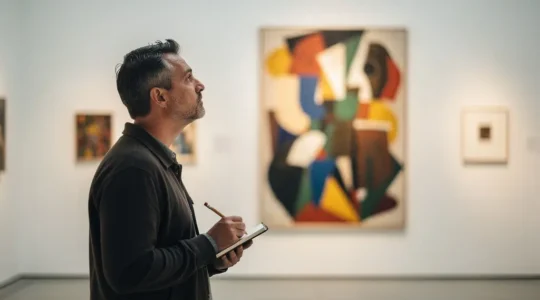
How to Prepare for a Retrospective Exhibition to Get the Full Insight?
Feeling overwhelmed or exhausted by the end of a major exhibition is a common frustration for art lovers. The solution isn’t to see less, but to see smarter. To get the full insight from a retrospective, you must shift your…
Read more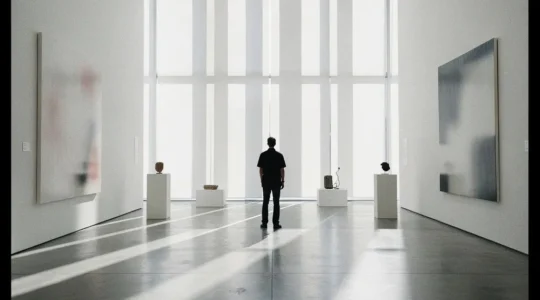
How Does a Curator Decide the Narrative of a Blockbuster Exhibition?
A blockbuster exhibition’s narrative isn’t told; it’s architected. The curator’s primary role is not that of a storyteller, but of a narrative architect who designs a multi-sensory journey for the visitor. The emotional impact of a show is sculpted by…
Read more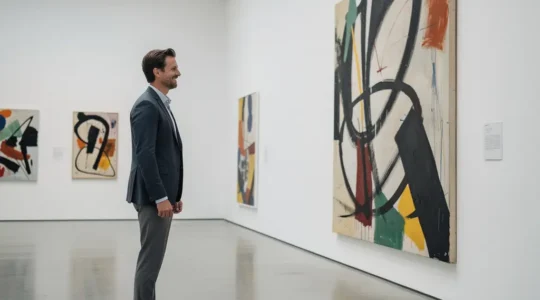
How to Visit a Commercial Art Gallery Without Feeling Intimidated
Contrary to popular belief, feeling intimidated by an art gallery isn’t a personal failing; it’s a reaction to a system designed to be opaque. The key isn’t to learn secret rules, but to understand the commercial logic behind them. Hidden…
Read more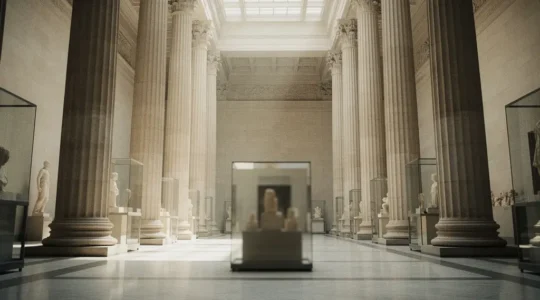
Why Are Western Museums Facing Pressure to Return Artifacts Now?
The mounting pressure on museums to return artifacts isn’t simply about righting historical wrongs; it’s exposing a fundamental breakdown of the “universal museum” model and its custodial frameworks. Institutional and legal structures, not just curatorial reluctance, often represent the biggest…
Read more