Creating eco-art is not just about using natural materials; it’s about mastering the hidden environmental and ethical impacts of the entire artistic process.
- “Eco-friendly” materials can hide toxic realities, and digital art (NFTs) has a massive invisible carbon footprint.
- The true power of ecological art lies in translating abstract data into emotion and using impermanence as a message.
Recommendation: Artists must adopt a holistic responsibility, scrutinizing everything from their pigments to their patrons to ensure their work is genuinely sustainable, not just symbolically green.
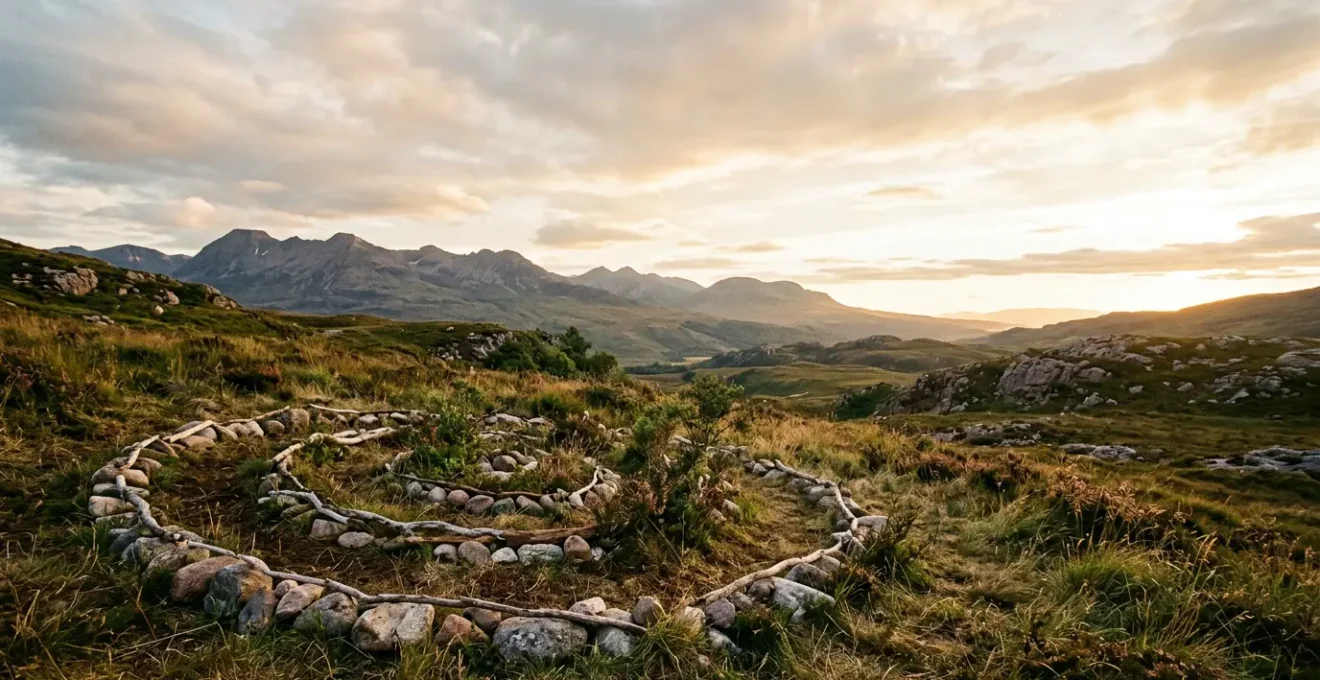
An artwork materializes in a pristine landscape—a swirl of colored stones, a structure of woven branches. It speaks of nature, connection, and planetary crisis. But what is its true cost? For decades, the conversation around Land Art has been polarized, often pitting the monumental, earth-moving projects of the 1970s against smaller, biodegradable installations. This debate, however, misses the point. The challenge for today’s eco-conscious artist is far more complex than simply choosing between a bulldozer and a basket of leaves.
The common advice is to use natural materials, work with the land, and leave no trace. While sound, this view is dangerously incomplete. It overlooks the entire artistic ecosystem that exists behind the visible object. What about the toxic heavy metals in so-called “natural” pigments? What about the staggering energy consumption of digital art forms like NFTs that claim to dematerialize the artwork? True ecological art demands a deeper level of scrutiny, a commitment to what we might call holistic responsibility. It’s an approach that questions not just the final product, but the entire lifecycle of creation.
This means moving beyond the symbolic gesture to rigorously examine the invisible footprint of our practice. It requires us to become investigators of our own supply chains, ethicists of our funding sources, and translators of cold, hard data into resonant human emotion. This article will not offer simple solutions. Instead, it will provide a framework for asking the right questions, navigating the difficult trade-offs, and developing a practice that is genuinely responsible from the ground up.
To navigate this complex terrain, this guide explores the critical choices artists face. We will dissect the hidden costs of materials, the ethical dilemmas of funding, and the powerful strategies that turn passive viewers into active participants in an ecological dialogue.
Summary: The Artist’s Guide to Holistic Ecological Practice
- Toxic Cadmium vs. Plant Dyes: How to Make Your Studio Zero-Waste?
- Proof of Work vs. Proof of Stake: Can Crypto-Art Ever Be Eco-Friendly?
- How to Turn Boring Climate Statistics Into Emotional Art Installations?
- The Corporate Sponsorship Trap: Is Your Eco-Art Funded by Oil Money?
- Why Ephemeral Ice Sculptures Communicate Melting Glaciers Best?
- Why Choosing Water-Mixable Oils Might Save Your Lungs?
- When to Visit to See Ephemeral Art Traditions Like Sand Mandalas?
- How Does “Relational Aesthetics” Turn the Audience Into the Art?
Toxic Cadmium vs. Plant Dyes: How to Make Your Studio Zero-Waste?
The quest for a sustainable practice begins in the most intimate of spaces: the artist’s studio. Long before a piece meets the public, its environmental impact is determined by the materials chosen. The allure of vibrant, permanent colors often leads artists to pigments like cadmiums and cobalts. These heavy metals, however, carry a significant toxic load. Their journey from mine to tube is energy-intensive, and their disposal poses a serious threat to aquatic ecosystems, even in minute quantities. A zero-waste mindset forces a radical re-evaluation of these traditional tools.
The alternative lies in embracing a circular material philosophy. This involves not only sourcing responsibly but also designing for disassembly and decay. Foraging for local ochres, creating inks from invasive plant species, or cultivating a dye garden are not just romantic notions; they are practical steps toward a practice grounded in its immediate bioregion. This approach fosters a deeper connection to the landscape, turning the act of material gathering into part of the artistic process itself. The colors are no longer just a chemical formula but a story of a specific place and time.
Furthermore, a zero-waste studio redefines “waste” as a resource. Off-cuts of wood, scraps of fabric, or discarded packaging can become the primary medium. This principle of upcycling challenges the consumerist model of constant acquisition, promoting instead a resourceful creativity. The goal is to create a closed-loop system where the studio produces not only art but also a net-positive impact on its environment, transforming from a site of consumption to one of regeneration.
Proof of Work vs. Proof of Stake: Can Crypto-Art Ever Be Eco-Friendly?
As art dematerializes into the digital realm, it seems to promise a cleaner, lighter footprint. The rise of crypto-art and NFTs, however, has revealed a troubling paradox: a digital object can have a colossal physical impact. The majority of early NFTs were minted on blockchains like Ethereum, which used a “Proof of Work” (PoW) consensus mechanism. This system requires vast networks of computers to solve complex puzzles, consuming immense amounts of electricity, much of it from fossil fuels. This is the invisible footprint of digital art.
The scale of this problem is staggering. As digital artist Memo Akten revealed in a groundbreaking analysis, the environmental cost of a single transaction can be enormous. His research exposed the hidden energy-guzzling reality behind the sleek interface of the digital marketplace.
The average NFT has a footprint of around 211 kg of CO2 equivalent. That’s the same as an EU resident’s electric power consumption for more than a month, driving for 1000km, or a return flight from London to Rome.
– Memo Akten, Analysis of 18,000 crypto-art NFTs on SuperRare platform
The move toward “Proof of Stake” (PoS) systems, which are dramatically more energy-efficient, offers a path forward. However, the problem extends beyond energy. The relentless cycle of hardware upgrades required for mining and high-end digital art creation generates a growing mountain of e-waste, its toxic components leaching into the earth. The clean, virtual artwork on screen conceals a dirty, physical reality of discarded electronics.
For the eco-conscious digital artist, holistic responsibility means interrogating the technology itself. It involves choosing platforms built on low-energy blockchains, advocating for circular hardware economies, and being transparent with collectors about the true environmental calculus of their work. Without this critical engagement, digital art risks becoming a new, insidious form of environmental damage, wrapped in the guise of progress.
How to Turn Boring Climate Statistics Into Emotional Art Installations?
One of the greatest challenges for ecological art is bridging the gap between abstract data and visceral human experience. We are flooded with statistics about rising sea levels, parts-per-million of CO2, and tons of plastic waste, yet these numbers often fail to provoke the urgent emotional response needed for action. The artist’s crucial role is to become a translator, transforming cold, hard facts into something that can be felt in the body and remembered in the heart. This is the art of data-to-emotion translation.
Visual representation is a powerful tool, but some of the most innovative work in this field is happening in the realm of sound. As research into climate communication confirms, translating data into auditory experiences can be uniquely effective. According to a study in Frontiers in Psychology, ” Sonification, the translation of data into sound, and visualization, offer techniques for representing climate data with often innovative and exciting results.” By bypassing the analytical part of the brain, sound can tap directly into our emotional centers.
This approach moves the audience from passive observation to active listening, making them feel the rhythm of a changing planet. An artwork is no longer just a static object to be viewed, but an immersive environment that communicates complex trends through pitch, tempo, and harmony.
Case Study: Jamie Perera’s Climate Symphony
Artist Jamie Perera’s project ‘Climate Symphony’ masterfully transforms climate datasets into compelling musical compositions. He used data sonification to convert metrics like Arctic ice extent and CO2 measurements into immersive soundscapes. In one piece, ‘If The Oceans Could Speak,’ Perera combined underwater recordings with the sonification of data on ocean plastic. The result is a visceral sonic texture where the consumption and disposal of plastic are represented by shifting harmonies and intensity, allowing the audience to emotionally experience the data rather than merely observing a statistic.
The success of such projects lies in their ability to make the immense scale of the climate crisis feel personal. By translating the language of science into the universal language of art, artists can awaken a sense of empathy and urgency that no chart or graph ever could.
The Corporate Sponsorship Trap: Is Your Eco-Art Funded by Oil Money?
An artist creates a powerful installation about the devastation caused by fossil fuels. It is lauded for its message and impact. Then, a revelation: the project was funded by a major oil and gas corporation as part of its “green” marketing initiative. This is the corporate sponsorship trap, one of the most insidious ethical dilemmas facing ecological artists today. Accepting funding from industries directly responsible for environmental destruction creates a profound conflict of interest, a practice known as “artwashing.” It allows polluters to purchase social license and a veneer of cultural legitimacy, while the artwork itself, no matter how critical, becomes complicit.
Navigating this ethical minefield requires a rigorous ethical calculus and unwavering transparency. The artist’s responsibility extends beyond their canvas to their financial backers. It’s not enough for the art’s message to be “green” if the money funding it is dirty. This means conducting thorough due diligence on potential sponsors, looking past their glossy sustainability reports and investigating their actual track record on emissions, environmental justice, and lobbying efforts. True integrity may mean turning down lucrative offers and seeking alternative, community-centric funding models.
Fortunately, a growing movement of artists and organizations is developing frameworks to resist corporate co-option. These models prioritize grassroots support, collective ownership, and resource sharing, building an alternative economic ecosystem for the arts that aligns with ecological values. Adopting such a framework is a critical step in ensuring the artist’s work retains its power and authenticity.
Your Action Plan: Vetting a Sponsor’s Ethical Standing
- Analyze Commitments: Scrutinize sponsors’ concrete, verified Scope 1, 2, and 3 emissions reduction targets, looking beyond vague PR statements.
- Research Track Records: Investigate the company’s actual history on environmental issues, court cases, and lobbying activities, not just their curated sustainability reports.
- Explore Alternatives: Consider community-centric options like Art DAOs (Decentralized Autonomous Organizations) for collective funding or Community Supported Art (CSA) models where locals subscribe to your work.
- Build Networks: Form Circular Networks with like-minded galleries and studios to share resources, reducing dependence on large corporate sponsors.
- Demand Transparency: Commit to full transparency in all funding sources and be prepared to publicly disclose every major sponsor of your work.
By making conscious choices about funding, artists can protect their work from being instrumentalized. This financial independence is not just an ethical nice-to-have; it is fundamental to the artwork’s credibility and its capacity to inspire genuine change.
Why Ephemeral Ice Sculptures Communicate Melting Glaciers Best?
How can an artist communicate loss, fragility, and the inexorable passage of time? One of the most powerful strategies in the eco-artist’s toolkit is to embrace impermanence. By creating works that are designed to decay, melt, or disappear, the artist embeds the message directly into the medium. The artwork’s life cycle becomes a potent metaphor for the larger ecological processes it seeks to address. Ephemeral art does not just depict change; it performs it.
Ice and snow are perhaps the ultimate mediums for this approach. An ice sculpture placed in a warming environment is not a static object; it is an event. Its slow transformation from solid to liquid is a direct, tangible representation of melting glaciers and polar ice caps. The viewer witnesses the artwork’s inevitable demise, and in that moment of disappearance, the sense of loss is no longer an abstract concept. It is a felt reality. The beauty of the work is inextricably linked to its own destruction, creating a poignant and unforgettable statement.
Case Study: Andy Goldsworthy’s Ephemeral Works
Pioneering land artist Andy Goldsworthy is a master of the ephemeral. His work, like ‘Icicle Star, joined with saliva,’ is created using only the materials at hand—ice, snow, leaves, stones—and held together by natural forces like tension, balance, or the freezing power of saliva. These delicate constructions are made with an intimate understanding of the weather and the land. Their existence is fleeting, documented only by photography before they are reclaimed by nature. The temporary nature of his ice installations directly mirrors the fragility of glacial environments, creating a powerful metaphor for climate change through their inevitable disappearance while leaving no trace behind.
This commitment to transience is a radical act of humility. It rejects the monumentalist impulse to leave a permanent mark on the landscape. Instead, it honors the cycles of nature and acknowledges humanity’s place within them, not above them. The artwork’s value lies not in its endurance, but in its poignant, fleeting presence.
Why Choosing Water-Mixable Oils Might Save Your Lungs?
In the search for a less toxic studio, many artists have turned to water-mixable oil paints. The appeal is obvious: they eliminate the need for harsh solvents like turpentine, which release volatile organic compounds (VOCs) harmful to both the artist’s respiratory system and the atmosphere. By allowing cleanup with simple soap and water, they seem to offer a perfect, “green” solution. However, this is where holistic responsibility demands a closer look. The label “water-mixable” can be misleading.
The core issue lies not in the binder, but in the pigment. Many water-mixable ranges still use the same heavy metal-based pigments as traditional oils, including cadmiums and cobalts. While they may be safer to use in the studio due to the absence of solvents, their environmental toxicity remains unchanged once they enter the water system. This critical distinction is often lost on the well-intentioned artist.
Water-mixable does not mean environmentally safe. The heavy metal pigments (cadmiums, cobalts) remain ecotoxic to aquatic life.
– Jackson’s Art Supplies, Cadmium and Cobalt Pigments Analysis
This doesn’t mean water-mixable oils are a bad choice—for studio air quality, they are a significant improvement. But a truly responsible practice involves managing their entire lifecycle. This means implementing a robust wastewater filtration system in the studio, never washing brushes directly in the sink, and treating the pigment sludge as hazardous waste. Some studies suggest that the specific cadmium compounds used in artist paints are insoluble and have low bioavailability, which reduces their immediate risk, but the precautionary principle dictates careful handling.
The real takeaway is that there are no simple shortcuts to sustainability. Every material choice involves a trade-off. The eco-conscious artist must become a diligent researcher, looking beyond marketing claims to understand the complex chemical and environmental reality of their tools. It’s a shift from being a passive consumer of art supplies to an active, critical participant in the material chain.
When to Visit to See Ephemeral Art Traditions Like Sand Mandalas?
The concept of ephemeral art is not a modern invention; it is deeply rooted in ancient spiritual traditions across the globe. One of the most profound examples is the Tibetan Buddhist practice of creating sand mandalas. Monks painstakingly labor for days or weeks to create intricate, vibrant diagrams of the cosmos using millions of grains of colored sand. The mandala is a sacred map of the universe and a tool for meditation. Yet, upon its completion, in a powerful ceremony, the entire creation is ritualistically swept away and the sand is dispersed in flowing water.
This act is not one of destruction, but of profound teaching. It is a physical manifestation of the core Buddhist doctrine of impermanence (Anicca)—the principle that all things are in a constant state of flux and nothing lasts forever. For the monks and those who witness the creation and dissolution, it is a powerful lesson in non-attachment. The value of the art lies not in its physical persistence, but in the process of its creation, the blessings it bestows, and the wisdom of its letting go. These events are often public, and visiting a monastery during a mandala creation offers a unique chance to witness this living tradition.
This ancient philosophy holds immense relevance for contemporary ecological artists. It provides a powerful cultural precedent for creating work that honors process over product and impermanence over permanence. By drawing on these traditions, artists can connect their modern environmental concerns to a deep, cross-cultural lineage of thought.
Case Study: Sand Mandalas in Modern Activism
Contemporary artists and activists have brilliantly adapted traditional ephemeral techniques for environmental protest. Inspired by practices like sand mandalas and Indian rangoli, they create temporary protest art in public spaces using non-toxic colored powders, spices, or even natural dust. These works can carry powerful political messages about social justice or ecological crises. Because they are temporary and non-damaging, they can be quickly created and dismantled, avoiding charges of vandalism while leaving a lasting mental image. This approach powerfully repurposes the philosophical meaning of impermanence for modern activism, bridging sacred practice with contemporary advocacy.
By learning from these traditions, artists can create ephemeral works that are not just metaphors for ecological fragility, but are also imbued with a deeper spiritual and philosophical resonance. The artwork becomes a modern-day ceremony, a ritual of awareness in a time of crisis.
Key Takeaways
- Holistic responsibility means scrutinizing every aspect of your practice, from pigment sourcing to digital energy use.
- The most powerful ecological art often translates abstract climate data into tangible, emotional experiences for the audience.
- Embracing impermanence, inspired by traditions like sand mandalas, can be a more potent message than creating a permanent object.
- Ethical integrity requires artists to investigate their funding sources to avoid the “artwashing” trap.
- The ultimate goal is to redefine art not as an object, but as a responsible relationship between the artist, the community, and the environment.
How Does “Relational Aesthetics” Turn the Audience Into the Art?
What if an artwork wasn’t an object at all? What if it was a social event, a shared meal, a conversation, or a collective act of planting trees? This is the territory of “Relational Aesthetics,” a mode of art practice that prioritizes human relationships and their social context. In the realm of ecological art, this approach takes on a profound significance, transforming the passive viewer into an active co-creator and shifting the focus from a static product to a living, evolving process. The artwork becomes the relationship itself.
This form of art, which we can call relational ecology, directly engages communities in acts of environmental stewardship and healing. Instead of creating a sculpture that *represents* a forest, the artist facilitates the planting of a real forest by the community. The “art” is the collective labor, the conversations that happen between participants, the shared sense of purpose, and the long-term relationship that the community develops with the growing ecosystem. As noted by The Art of Education, this approach encourages participants to get out and start ” looking at their surroundings in a new light,” fostering a more immersive and interactive experience.
This is the ultimate expression of the artistic ecosystem. The materials are not just paint and canvas, but people, land, seeds, and time. The artwork is not owned by a single person but by a community, and its legacy is not an object in a gallery but a regenerated landscape and a strengthened social fabric.
Case Study: Agnes Denes’ Tree Mountain
A monumental example of relational ecology is Agnes Denes’ ‘Tree Mountain, A Living Time Capsule.’ Beginning in 1992, Denes orchestrated a project where 11,000 people came together to plant 11,000 pine trees on a mountain in Finland that had been scarred by resource extraction. Launched at the Rio de Janeiro Earth Summit, the project was designed as a living legacy for future generations. The artwork is not the trees themselves, but the collective act of reclamation and the ongoing, 400-year relationship between the people, the land, and the forest. The audience was not a passive observer; they were, and continue to be, essential participants in the art’s ongoing creation.
By turning the audience into the medium, relational aesthetics offers a powerful antidote to the alienation and passivity that often characterize our relationship with the climate crisis. It replaces despair with action, and isolation with community. It proves that the most enduring form of ecological art may not be one that we look at, but one that we live within and help create.
Adopting a practice of holistic responsibility is not a simple checklist but a profound shift in mindset. It asks artists to become researchers, ethicists, and community organizers. The next step is to begin applying this critical lens to your own work, questioning every material, every process, and every partnership to build an artistic practice that truly contributes to a more sustainable and just world.