Techniques & materials
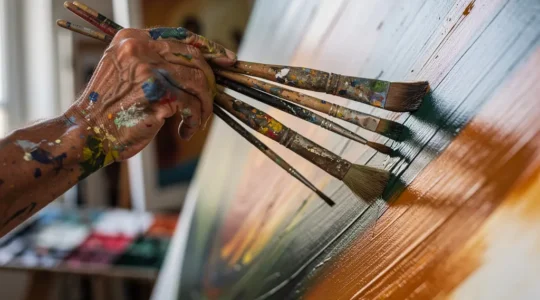
How to Develop a Unique Brushwork Signature That Collectors Recognize?
The solution to a generic painting style isn’t found in buying more brushes, but in mastering the intentional, physical rhythm of your mark-making. Expressive brushwork creates a direct emotional connection with the viewer through a process called kinesthetic empathy. Developing…
Lire la suite
Oil, Acrylic, or Watercolor: Which Medium Suits Your Personality?
The right paint for you goes beyond technical properties; it’s about finding a creative partner that matches your personal workflow and lifestyle. Oils offer slow-drying forgiveness for patient, methodical painters but require specific safety and layering knowledge. Acrylics provide fast-drying…
Lire la suite
Self-Taught vs. Art School: Which Path Truly Builds Technical Skill?
The best path to technical mastery isn’t about a degree versus no degree; it’s about choosing the learning system that matches your cognitive style. Art school provides an external, structured framework but often comes with immense debt and methodological rigidity….
Lire la suite
How Can Ink Wash Painting Become Your Daily Meditation?
Contrary to belief, the goal of meditative ink wash painting is not to create a beautiful image, but to generate a physical record of a calm and focused mind. The materials—paper, brush, and ink—act as biofeedback instruments, revealing your inner…
Lire la suite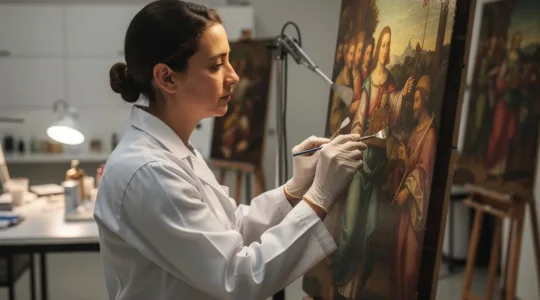
How Do Restorers Clean Centuries of Grime Without Removing Paint?
Contrary to the simple image of wiping away dirt, professional art restoration is a rigorous discipline of applied materials science. The process is not about « cleaning » but about executing precise, reversible chemical interventions. Success hinges on a deep analysis of…
Lire la suite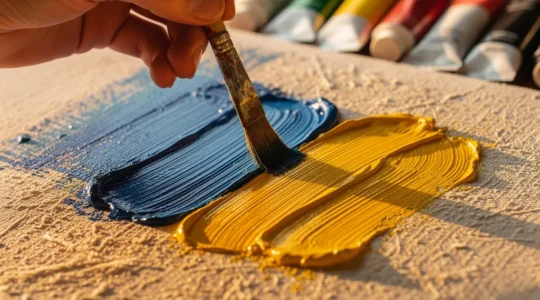
How to Use Impressionist « Broken Color » to Make Your Modern Paintings Vibrate with Light
The secret to Impressionist luminosity isn’t the paint you use, but understanding how the human eye perceives it. Instead of physically blending on the canvas (which creates mud), « broken color » uses distinct strokes that mix optically in the viewer’s eye,…
Lire la suite
How to Distinguish True Craftsmanship From Mass Production in Art Objects?
True artistic value is not found in a brand name, but in a hierarchy of intentional, technical choices that mass production cannot replicate. Inferior materials and finishes lead to exponential restoration costs and value loss, betraying a lack of long-term…
Lire la suite